
 Get the app
NamesSample

Don’t Limit Your Gratitude
Then a new king, to whom Joseph meant nothing, came to power in Egypt. — Exodus 1:8
Every morning, I take time to think about everything that I am grateful for. For years, this practice primarily focused on the blessings currently in my life. But one day, I realized that it was a mistake to limit my gratitude to my gifts in the present. When I began to think about all the people who have ever helped me and all the good things that I have ever received, my gratitude grew exponentially, as did my joy and appreciation for the life I have been given.
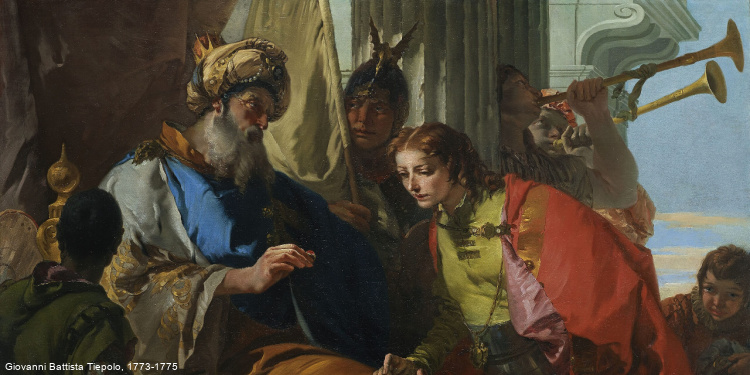
Today, we read that there was a new king in Egypt, “to whom Joseph meant nothing,” who began to enslave the Children of Israel. The Jewish sages explained that this new Pharaoh was well aware of who Joseph was and his contribution to Egypt during the years of famine. However, many years had passed and the gratitude that Egypt once had toward Joseph and his family was now gone. Once Joseph no longer meant anything to the Egyptians, it was just a matter of time before they turned against his family.
Pharaoh and the Egyptians acted despicably. They forgot all the good that Joseph had done and repaid his kindness with cruelty. Yet, the truth is that sometimes we don’t behave much better and we tend to limit our gratitude to whatever is right before us.
Think about it. So many people have been kind to us. Someone gave birth to us, fed us, and cared for us. Someone taught us how to read and write and gave us the confidence that we could succeed. Somewhere along the way, we needed a friend to lean on, and someone was there for us. The list goes on and on. And then, of course, there is God, who is the source of all of our blessings.
However, over time, we tend to forget the good things that people have done for us. Sometimes, we even repay kindness with anger or resentment. Yet, Judaism teaches that we should not put limits on our gratitude. We must be grateful for the good that someone has done for us, even if that same person does something that upsets us at a different time. We can’t let their misdeeds cancel out their good ones.
Ultimately, when we remain grateful long after we have received kindness, we become better, kinder people—and also happier ones.
Scripture
About this Plan
For millennia, God’s people have been carrying out a weekly Bible study plan. Every year, they read through the Torah from Genesis to Deuteronomy. In synagogue each week, they read and study a Bible passage—the weekly parshah. This week’s parshah is called “Shemot,” which is Hebrew for “names,” and covers Exodus 1:1–6:1.
More
We would like to thank International Fellowship of Christians and Jews for providing this plan. For more information, please visit: https://ifcj.org


