
 Get the app
And He CalledSample

Don’t Follow the Herd
If the offering is a burnt offering from the flock, from either the sheep or the goats, you are to offer a male without defect. — Leviticus 1:10
When I was growing up, I was unaware of the impact my father, Rabbi Yechiel Eckstein, had on the world. He went to his office during the day, but when he came home at night, he was just abba, my father. I had no idea that he was building bridges of reconciliation and understanding between Christians and Jews, something no one had ever succeeded in doing. I did not know that he experienced painful criticism from leadership in both faith communities. I wasn’t aware of the setbacks and adversity that he encountered for decades while building The Fellowship.
It was only when I became an adult and began working alongside my father that I realized how difficult his journey had been. At the same time, I was able to see and taste the fruits of his labor. I could see the millions of lives changed for the better because my father did not give up when it seemed like the world was against him. He chose to walk his own path, and because of that, he brought abundant blessings and goodness into the world.
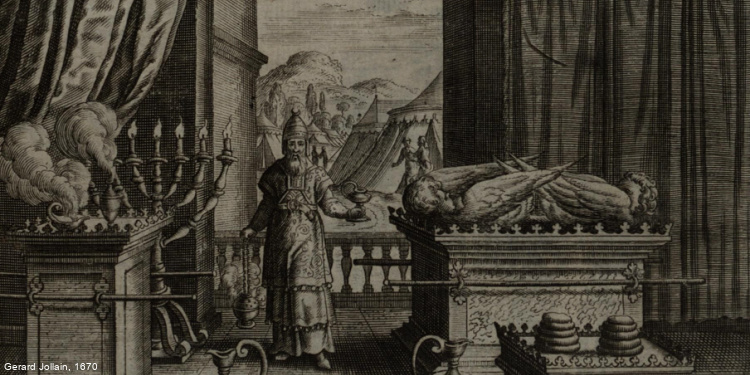
Today, we read about the ritual sacrifices brought to the Tabernacle, and later, the Temple. Among them “is a burnt offering… from either the sheep or the goats…” In Judaism, these animals represented the herd instinct—the tendency to follow the crowd because everyone else is doing so. This sacrifice represents our obligation to not follow the flock and follow only God. We need to burn up our natural inclination to conform and become inspired to forge our own path. We need to stand up and speak the truth—even if we’re standing alone.
Remember, when the herd is running toward the cliff, the one running in the opposite direction looks crazy! Likewise, when we take a stand for what we know to be right, we might look crazy to the people who have chosen to follow the crowd. However, we must not be concerned with how we look in other people’s eyes, but rather with how we appear in the eyes of God.
Scripture
About this Plan
For millennia, God’s people have been carrying out a weekly Bible study plan. Every year, they read through the Torah from Genesis to Deuteronomy. In synagogue each week, they read and study a Bible passage—the weekly parshah. This week’s parshah is called “Vayikra,” which is Hebrew for “And He Called,” and covers Leviticus 1:1–5:26.
More
We would like to thank International Fellowship of Christians and Jews for providing this plan. For more information, please visit: https://ifcj.org


