
 Get the app
And He CalledSample

A Recipe for Gratitude
If you bring a grain offering baked in an oven, it is to consist of the finest flour… If your grain offering is prepared on a griddle, it is to be made of the finest flour mixed with oil, and without yeast… If your grain offering is cooked in a pan, it is to be made of the finest flour and some olive oil. — Leviticus 2:4-7
The first Jewish prayer that I was taught as a child—and the first one I taught my own children—is the modeh ani. The prayer begins, Modeh ani, “I am thankful…” and continues “…before you living King for mercifully returning my soul to me [for another day], great is your faithfulness.” This prayer is said first thing in the morning, upon awakening. From a very young age, I was taught to start my day with gratitude, thanking God for the gift of life itself.
It has been said that the quality of our gratitude determines the quality of our lives. The more we express thankfulness, the happier we are and the more we are blessed. I can personally attest to the fact that this attitude has served me well. It has trained me to focus on the good and remember the Source of all my many blessings.
In this Scripture reading, we find a recipe for cultivating gratitude—one that helps us see the many ways God’s blessings are manifested in our lives.
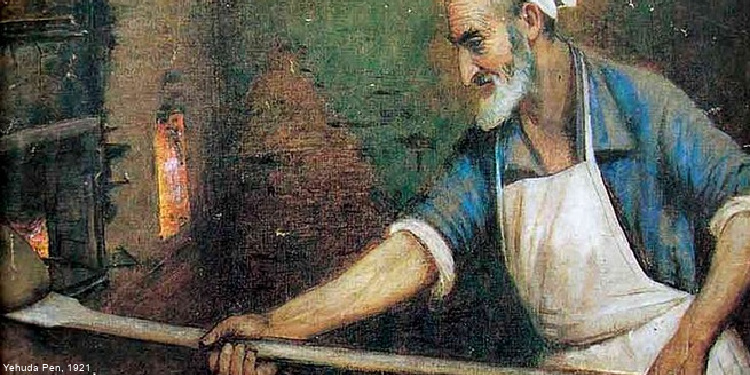
In describing the grain offering, the Torah describes three different ways the offering can be prepared—baked in an oven; prepared on a griddle; and cooked in a pan. In Judaism, the offering baked in the oven represents our “daily bread”—the basic necessities for living. The offering prepared on a griddle is associated with a sweet cake and represents those sweet luxuries in our lives. Finally, the offering made in a pan refers to dishes cooked for special occasions, and represents the momentous occasions that occur throughout a lifetime.
By mentioning these three types of offerings, Scripture teaches us that we have to cultivate our gratitude in all three areas.
By remembering to thank God for our daily needs, for the blessings that go beyond our basic needs, and for the special occasions that enrich our lives, we bring great pleasure to our Father in Heaven. Moreover, we instill a spirit of joy into ourselves and invite even more blessings into our lives.
Scripture
About this Plan
For millennia, God’s people have been carrying out a weekly Bible study plan. Every year, they read through the Torah from Genesis to Deuteronomy. In synagogue each week, they read and study a Bible passage—the weekly parshah. This week’s parshah is called “Vayikra,” which is Hebrew for “And He Called,” and covers Leviticus 1:1–5:26.
More
We would like to thank International Fellowship of Christians and Jews for providing this plan. For more information, please visit: https://ifcj.org


